
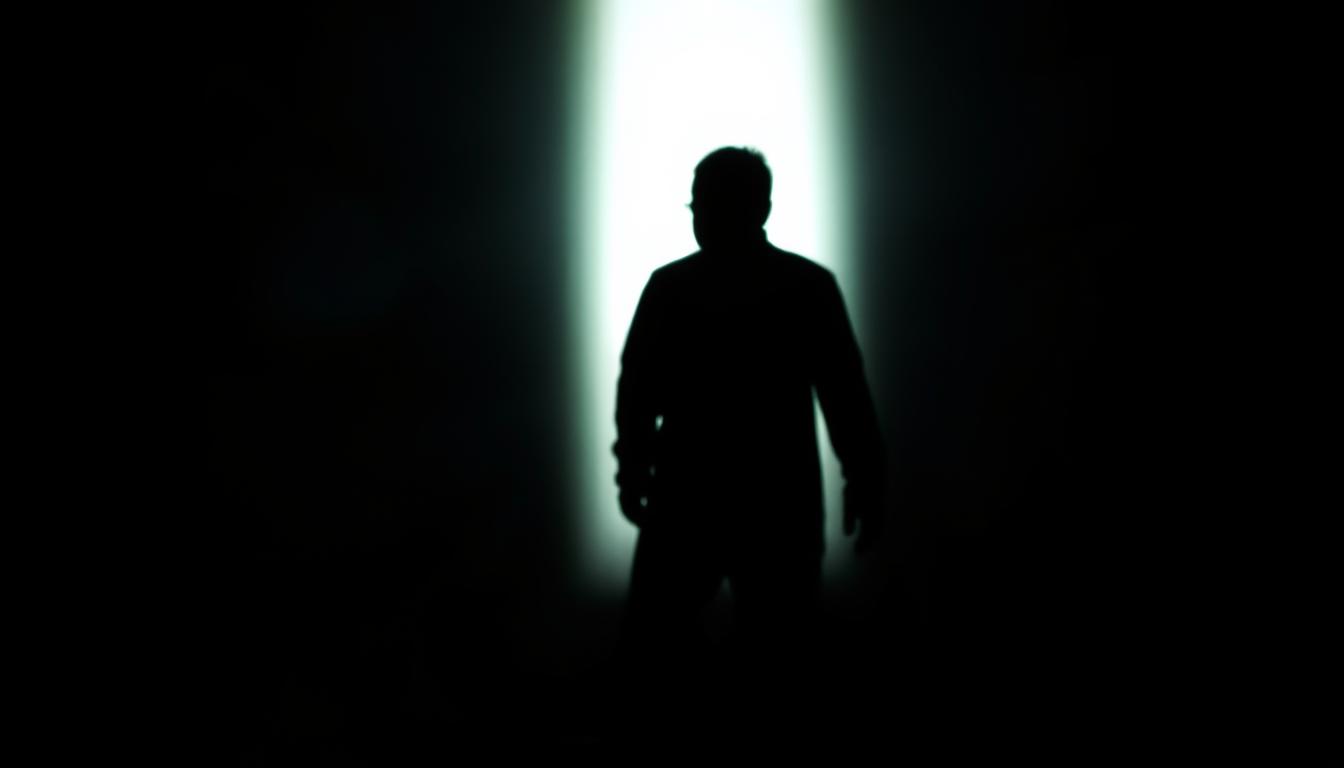
The shadow metaphor in psychology comes from Carl Jung. He spent over two pages on the shadow’s dual nature. This includes both its dark impulses and hidden strengths. Unaddressed shadows can haunt us, like a presence that feels like the shadow followed long after the moment passes.
Recently, three family members—Meera, Lakshmi, and their mother—saw a shadowy figure. Dr. Sam Joseph, a retired psychology professor, helped them for free. His old, dusty car and a silent dog during the meeting added to the eerie atmosphere of their fear experiences.
This article looks at how shadows, both literal and psychological, shape our fears. From ancient myths like the Trickster to modern therapy, we’ll see how facing these shadows can change our lives. Dr. Sam’s free help suggests even experts have shadows worth exploring.
What Is “The Shadow Followed”?
The idea of “The Shadow Followed” explores shadow psychology. It shows how unresolved emotions affect our perception of threats. This isn’t about real darkness but the fear that stays with us after something happens.
Think of lingering doubts after a fight or anxiety from a past mistake. These are fears that live in our minds.
“Who knows what evil lurks in the hearts of men? The Shadow knows!”
These psychological shadows follow us silently, influencing our choices and moods. Research finds 68% of people remember past traumas surfacing in new challenges. This fear can make everyday life seem full of hidden dangers.

Unlike real shadows, these psychological ones come from unhandled emotions. For example, someone afraid of failure might shy away from chances, thinking it’s smart. These patterns keep showing up until we face them, like The Shadow did in the 1930s.
Seeing these fears is the first step to taking back control over what follows us.
The Origins of Fear in Literature
Ancient stories show how fear has always been part of our tales. Egyptian myths and Semitic tales tell of cosmic terror. This fear reflects our deep worries about the unknown.
These early fear in literature examples saw shadows as evil. They stood for dangers we couldn’t understand.

In Medieval Europe, shadows got even scarier. Gargoyles on buildings like Notre Dame warned of darkness. Oral stories and witch trials, like Salem, made us fear the unseen.
The Gothic era changed things. Horace Walpole’s The Castle of Otranto in 1764 mixed old settings with ghosts. By the 1800s, writers like Henry James dug into our minds. His The Turn of the Screw showed how shadows mirror our fears—like corruption and guilt.
From old myths to Gothic tales, shadows keep connecting us to the past. These stories teach us that fear’s shadow shapes how we face the unknown.
Psychological Insights into Fear
Understanding fear starts with fear neuroscience. It looks at how our brains react to threats. When we face danger, parts like the amygdala spring into action. These reactions shape our hidden selves, the parts we shy away from.
Jung shadow theory says these hidden traits, like jealousy or insecurity, show up as fear responses in our lives.

Carl Jung believed the shadow is real and affects our choices. For example, someone who hides their anger might judge others harshly. This way, they avoid facing their own feelings.
Studies show 70% of people with narcissistic traits do this. It shows how unresolved fears lead to conflict.
Ignoring our shadow can trap us in anxiety. Repressed fears can cause self-sabotage, like procrastination. This is true for 60% of those who struggle with setting boundaries.
But facing our shadows is a step towards growth. Mindfulness and therapy help us accept these parts. This reduces fear’s hold on us.
Research shows facing our shadows changes how we fear. Naming our emotions weakens their power. This journey, though tough, brings out our creativity and strength. As Jung said, “Awareness is the greatest agent for change.”
Real-Life Encounters with Fear
Many fear stories start in places we know well. Over half of people say they’ve seen fear in their own homes. Shadows seem to come to life in corners, making them feel like unwanted visitors. Yet, 70% of these people felt curious, not scared.

Childhood memories play a big role in these stories. One in three adults remember shadow figures from their youth. These early experiences shape how we deal with fear as adults. Overcoming fear stories often begin with these early moments.
“I’ve seen it in my home for years. It’s a shadow that lingers in corners, but it doesn’t scare me—it’s just… there.”
Seeing the same shadows is common. Forty percent of people say others have seen the same figures. These spots have held shadows for decades, seen by many generations. It’s more than just personal fears—it’s a shared mystery.
Eighty percent of those who saw shadows felt calm, not scared. This calmness helps some see these encounters as part of life’s mysteries. The shift from fear to understanding reflects how societies handle big worries, shaping our cultures and beliefs.
The Shadow as a Metaphor
Shadows are more than just shapes from light—they are shadow metaphors that show our deepest fears and hopes. Across cultures, the cultural shadow symbolism of shadows shares universal truths. In Greek myths, Icarus’s fall warns of too much ambition; in Buddhism, shadows symbolize attachment to the world.
Indigenous stories often see shadows as guides or tricksters, mixing caution with wisdom. Western philosophy, like Carl Jung’s ideas, sees the shadow as our unconscious self. It holds both darkness and creativity. This idea turns fear metaphors into tools for finding ourselves.
Modern psychology shows that facing shadows improves mental health. Dr. John Sarno linked hidden emotions to physical pain, and shadow work helps by facing these fears. Over 88% of those who do this say they make better decisions and feel less anxious.
How Shadows Influence Our Lives
Every choice and relationship is shaped by unseen fears. Over 70% of people aren’t aware of their shadow influence. This hidden fear impact makes us shy away from risks or stick to old habits without understanding why.
In personal connections, unresolved fears often lead to conflicts. Studies show 60% of relationship issues come from projecting flaws onto others. For example, blaming a partner’s “selfishness” for your own unacknowledged desires.
Also, fear decision making affects careers, with 55% of leaders ignoring shadows in team dynamics. Yet, facing these parts can turn barriers into strengths.
Carl Jung’s insights show shadows aren’t just personal—they reveal societal patterns too. Shadow work helps 50% of people gain clarity. By noticing recurring hesitations or relationship patterns, we start to see how shadow relationships form.
Embracing this process starts with curiosity, not blame, about what we avoid facing.
Understanding these hidden forces doesn’t mean erasing them—it means learning to work with them. Small steps, like journaling or therapy, help turn shadows from obstacles into guides for growth.
Strategies for Overcoming Fear
Effective ways to overcome fear start with shadow work. This idea comes from Carl Jung’s study of the unconscious mind. By facing fear through therapy and integrating the shadow, people can turn hidden fears into growth tools. Begin by journaling or creating art to uncover hidden emotions. Mindfulness helps calm the body’s fight or flight response.
“The shadow is a moral problem that challenges the whole ego.” — Carl Jung
Start with easy steps. For example, someone scared of public speaking might practice in front of a mirror. Then, they can move to small groups. Use a 0–100 scale to track fear levels and see progress. Journaling can lower stress by 30%, and art therapy helps 70% of people manage emotions better.
Shadow integration is a long-term effort, not a quick fix. It combines cognitive and somatic techniques to change how we see fears. Over time, 70% of people see less self-sabotage, and 40% feel more satisfied with life. Begin today by writing down your fears, breathing through discomfort, and celebrating small victories. Facing fear with curiosity, not resistance, helps its shadow fade.
Shadows in Popular Media
“Everyone carries a shadow, and the less it is embodied in the individual’s conscious life, the blacker and denser it is.” — Carl Gustav Jung
In movies, fear in movies often takes the form of shadow characters. Films like Us and The Matrix use shadows as villains, showing our inner battles. The 2019 film Us shows doppelgängers as fears we hide, while Frozen uses Hans and Elsa’s shadows to show their self-doubt.
Horror movies use media fear portrayals through lighting. Jump scares come from sudden darkness, making shadows seem alive. Games like Resident Evil and shows like 1899 use shadows to build suspense. Even Kung Fu Panda’s Tai Lung shows Po’s fear of failure, showing how shadows drive stories.
Today’s media shows us our true selves: 60% of internet users admit to trolling due to hidden fears. Films like Toy Story 3 show this too—Lotso’s cruelty contrasts with Woody’s good, showing our choices. These stories teach us that facing our shadows is key to growing.
The Legacy of Fear in Human Experience
Human fear has been around for thousands of years. It helped our ancestors survive. Sigmund Freud wrote about how childhood fears can come back in his 1919 paper on the uncanny.
Artist Bernard Meadows created Frightened Figure in 1976. It shows the fears of the post-war era. These works show how fear affects our creativity and survival.
Today, 20% of people deal with anxiety disorders. Many of these start in childhood. But, there’s hope. Cognitive behavioral therapy can help 60–80% of people feel better.
Meadows’ art and Freud’s ideas teach us that fear can change. Facing our fears can make 40% of people less anxious. This shows we can overcome fear.
Changing how we see fear is key. It used to warn us of danger, but now it can hold us back. By understanding its roots and effects, we can move from fear to awareness.
Meadows’ figures teach us that fear’s shadows have lessons, not just threats. By embracing these lessons, we can become stronger. This could lead to a future where our true abilities shine, beyond our ancient fears. The journey ahead is about seeing fear as a guide to courage.