
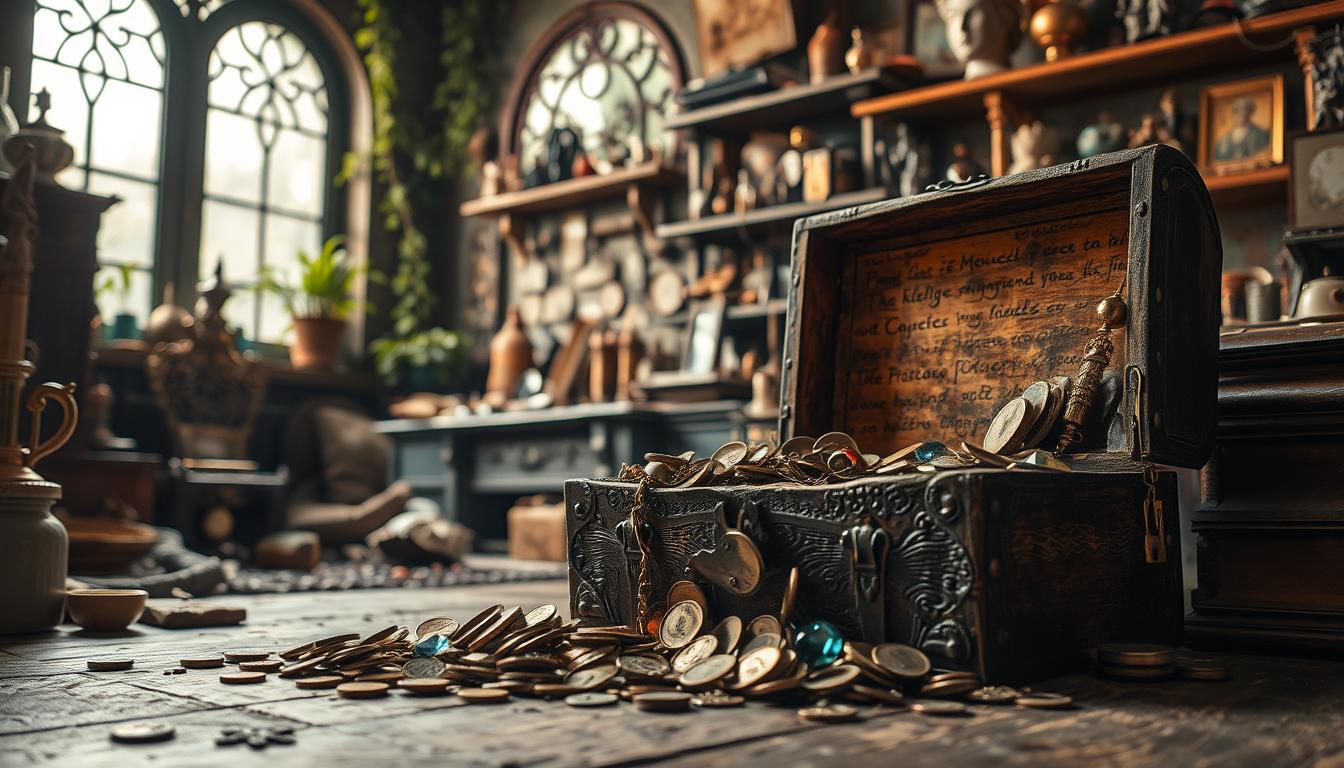
Did you know that 100% of children have noticed a used car lot while driving past it? Everyday scenes like these hold unexpected discoveries just waiting to be uncovered. From garage sales to grocery aisles, hidden treasures lie hidden in plain sight. This article reveals how secret features in ordinary objects can turn the familiar into the fascinating.
Poetry reminds us to see beauty in overlooked details. A garbage bag becomes “dressed in black, wearing bow ties” in verse, proving gratitude and creativity can transform the mundane. These lessons sharpen skills like problem-solving and fresh perspectives.
Real stories prove magic exists nearby. An 8-year-old found a 1,500-year-old Viking sword in Norway. A fisherman discovered a 34kg pearl worth $100 million. These everyday surprises remind us that wonder isn’t just far away—it’s in our own neighborhoods and attics.
Look closer. That dusty basement box might hold a 60-year-old ticket to a Beatles concert. A rock could be a 1,000-year-old relic. This journey explores how secret features in ordinary items hide extraordinary tales. Ready to rediscover your world?
Discovering Treasures in Your Backyard
Backyard discoveries often hide in plain sight. A simple stroll through your garden could reveal unexpected garden finds such as antique bottles, old coins, or even historical artifacts. Many homeowners overlook these hidden yard treasures, unaware of what lies beneath the soil.
In Ohio, a gardener found a collection of vintage bottles from the 1910s and 1920s. These hidden yard treasures, including medicinal and soda bottles, totaled nearly $1,250. Early 20th-century bottles can fetch $20 to $500 each, while rare whiskey bottles pre-1900 might reach $10,000. These valuable finds often surface near old privy pits or abandoned structures.
Metal detecting clubs in all 50 states help enthusiasts locate coins, jewelry, and Civil War relics. High-traffic spots like beaches or parks yield frequent finds—like gold nuggets as small as a match head. Even urban backyards may hold clues like century-old trees or soil depressions signaling human activity.
Exploring your yard boosts well-being: 80% say it improves mental health, while 70% feel closer to their community afterward. Start by scanning for unusual ground patterns or old tree roots—signs of buried history waiting to be uncovered.
The Value of Thrift Store Finds
Thrift stores are full of valuable thrift items just waiting to be found. A painting for $4 might be worth $20,000. Rare books, hidden among common ones, can be priceless. These secondhand treasures are more than deals—they’re stories.
At Chairish, a Mir Rug in Wool costs $425. Vintage Midcentury Lighting can go for $5,800. Even small items like a $24 trinket tray or $60 ceramics can be worth more if found early.

“Antique pieces often outlast modern furniture,” says interior designer Clara Nguyen. “Thrift stores are like time capsules for quality craftsmanship.”
Look for sterling silver for $1,000 or antique bar carts for $1,800. These items are much cheaper than in antique shops. Quilts for $360 can save you hundreds over new ones.
Check for brands like Westontable’s Murano Glass (now $3) or Etsy’s vintage Pyrex. Silver-plated items, costing $10–$15, can be resold for more. Thrift stores also have Depression glass, midcentury lamps, and Majolica pottery at low prices.
When you shop, look for unexpected thrift finds by checking materials, brand marks, and condition. Thrift hunting is a skill, not just luck. With patience, you can find great deals like a $2,208 discounted coffee table or a $1,700 side chair.
Unexpected Delights in Your Kitchen
Your kitchen is full of surprises. The oven’s warming drawer is a secret kitchen feature often used for storage. But it’s meant for warming food. Discover kitchen surprises like using banana peels to polish silver or coffee grounds to fertilize plants. These hidden food uses make everyday items do more.
A pasta spoon’s hole is for measuring spaghetti. It’s a detail many miss. Parmesan cheese is great not just for pasta, but also for desserts like cookies or ice cream. This is a unexpected cooking discovery. Even pot handles can hide storage spaces. These small secrets can change how you cook.
Manufacturers add clever features to tools, but we often miss them. Try using Parmesan rinds in soups or citrus zest in baking. By exploring these hidden food uses, you’ll make cooking more creative. Let your kitchen’s secrets inspire new recipes and ways to work more efficiently!
Nature’s Unexpected Gifts
In busy cities, urban foraging uncovers edible plants in unexpected places. Dandelion greens and wild berries are more than weeds. They’re free and full of nutrients. Next time you walk in a park, look for these unexpected natural finds.
Pine needles make tea rich in vitamin C. Plantain leaves can soothe scratches. These are simple natural remedies right at your feet.

Think of a chestnut tree in a city park, surviving for decades. Its nuts show nature’s strength. Urban areas are full of life, like garter snakes and owls.
Being mindful can reduce stress by 70%, says the American Psychological Association.
Begin by learning to spot chickweed or safe mushrooms. The New England Botanic Garden offers guides. Remember, 85% of national park visitors feel awe. This shows wonder is everywhere, not just in the wild.
Ethical harvesting keeps these gifts for future generations. Your neighborhood might be your next pantry and pharmacy, waiting to be explored.
Surprising Items in Old Books
When you flip through an old book, you might find more than words. Book discoveries often reveal hidden stories. You could find pressed flowers, vintage postcards, or even historical documents.
Libraries like the Cincinnati Public Library keep these treasures safe. They have rare items like Audubon’s bird illustrations or a Mars map. Even personal mementos like a childhood book with special ink or a 108-year-old fair ticket can be found.
Some finds are deeply meaningful, like a 1940s report card or a note with a coin. Others, like art books from the Women’s Studio Workshop, mix creativity with history. Even if rare books are not open to visitors, digital archives let everyone explore these secrets. So, next time you look through a used book, keep an eye out for hidden treasures.
Uncovering Local History
Every building and street in your community holds clues to the past. Look up at faded local historical finds like old advertisements painted on brick walls. Or trace hidden history through changes in architectural styles. A storefront’s arched windows might once housed a blacksmith’s shop, while a crooked street could follow Native American trails.
These details turn ordinary spaces into neighborhood discoveries waiting to be decoded.
Historical landmarks like Baldwin City’s 1889 all-women council site remind us that stories often go untold. The National Park Service has recognized nearly 20 women’s history sites in two decades. Yet, gaps remain—specifically for marginalized voices.
Local archives and digital maps let you overlay past and present, revealing how land use evolves. At Fort Jackson, 750 sites span 8,000 years, though only 50 are officially recognized. Even small artifacts scattered across fields tell stories of daily life.
Explore your town’s founding documents or walk trails marked by century-old oaks. Ask: Who lived here before? How did they shape the landscape? Every crack in a sidewalk or name on a plaque connects to broader narratives.
Start small—trace a street’s name origins or join a walking tour. History isn’t just in museums; it’s etched into your daily routes, waiting to be noticed.
Unexpected Art in Daily Life
Everyday art is all around us, waiting to be found. From bollards in Cardiff to the 25-foot Headington Shark in Oxford, these pieces make ordinary places into galleries. Jane Edden’s tiny scenes in street fixtures show how art can make everyday objects interesting.
In Japan, manhole covers mix culture with function. Ben Wilson’s gum art in London adds creativity to city streets. Works like Fernán Federici’s plant photography or Betty Busby’s scientific textile art mix science and art.
Functional art is found worldwide. Saype’s frescos in the French Alps or Guido van Helten’s dam mural in Australia show how size matters. Guerrilla art and hidden designs in buildings, like Canning Bridge’s art scene, show beauty in function.
Next time you see a utility pole or a wet sidewalk, look closer. That bollard might have a secret. A wet coat could have a hidden pattern. Life is full of hidden art, making the ordinary special.
Surprising Uses for Common Household Items
Everyday objects often hide their true power. Turn ordinary items into repurposed household items with clever alternative uses. Coffee filters, for example, clean glass without streaks. Non-gel toothpaste polishes silver.
Rubber bands boost grip on jar lids by 50%, making them a lifesaver for tight lids. Vinegar and baking soda clear drains in 15 minutes. Aluminum foil can sharpen scissors by 20% after a few cuts.

Old dryer sheets attract dust from electronics, and banana peels shine leather—no polish needed. A bread slice picks up broken glass shards. Lemon steam in the microwave cuts grease by 75%.
Even wine corks and pipe insulation become organizational tools. These household hacks prove everyday items hold untapped power. Creative repurposing saves money, reduces waste, and reveals hidden solutions. Next time you reach for a gadget, check your pantry first—the answer might be as simple as a toothpick’s built-in stand or a backpack’s hidden lash tabs.
From kitchen to garage, these 20+ uses transform clutter into convenience. Embrace the art of reinvention—your home’s hidden tools are already here, waiting to shine.
Moving Beyond the Grocery Store
Exploring alternative food shopping opens up a world of taste and community. Start by checking those tiny stickers on fruits and veggies. They often reveal where the food came from and how it was grown. This simple action turns everyday shopping into a choice that matters.
Ethnic grocery stores and restaurant suppliers have specialty ingredients that big stores miss. You can find Korean chili paste and heirloom grains at good prices. Also, try urban mushroom subscriptions or farm-CSA programs for fresher food than big-box stores.
Community local food discoveries can be found in unexpected places. Seed libraries and gleaning programs offer fresh food while cutting down on waste. These hidden food sources also boost local economies, with every dollar spent at farmers’ markets helping more than at chain stores.
For millions in “low-access” areas, these options are essential. Mobile markets and food cooperatives bring food where supermarkets can’t. By using these resources, families get healthier food and help food systems stay strong.
Surprises Found in Personal Relationships
Relationships often hold unexpected treasures waiting to be uncovered. From quiet coworkers with hidden talents to neighbors with adventurous pasts, relationship discoveries shape how we connect. Take Tarek and Hadil, Syrian refugees who met in Greece using translation apps to bridge language gaps—a modern social discovery sparking a lifelong bond.

70% of individuals report meeting partners through chance encounters, proving life’s surprises matter.
Technology amplifies these moments. Victoria and Jonathan’s three-year Instagram exchange turned into a real meeting, while Jahed and Sean became the first same-sex Muslim couple married in Britain—proof that hidden connections exist everywhere. Even small gestures, like heartfelt letters between Brie and Jose, can transform lives.
Dr. Gary Chapman’s love languages explain why personal network surprises thrive when we listen. Acts like surprise date nights or quality time reignite bonds. Kristen and Michael’s Neopets friendship blooming into romance shows how online interactions mirror offline magic.
Embrace curiosity: ask friends about their passions, join group activities, or explore mutual contacts. Serendipity isn’t luck—it’s about noticing what’s already there.
Hidden Corners of the Internet
Exploring the internet isn’t just about what’s obvious. Internet discoveries are hidden in plain sight, waiting for curious minds to find them. Try typing “breakout” into Google’s search bar. A playable game will pop up, a fun digital easter egg hidden in everyday tools.
Many websites hide secret web tools to surprise users. Wikipedia’s “Random Article” button leads to unexpected knowledge. Reddit’s hidden subreddits like r/theydidthemath reveal clever calculations. Even simple tricks like pressing “I’m Feeling Lucky” followed by “Google in 1998” shows the search engine’s first-ever homepage.
Browsers and apps also guard hidden online features. Chrome’s “chrome://flags” lets users tweak experimental settings. Twitter’s “/help” link unlocks hidden guides. These features turn routine tasks into mini-adventures, showing tech’s playful side.
Next time you browse, try “Google as-easy-as-abc” to watch letters dance. Or visit easter-eggs.com for a list of surprises. The web’s hidden gems remind us to explore beyond the surface—every click could reveal something new.
The Joy of Exploration
Exploration doesn’t need a passport or a big budget. Every day is full of chances for everyday exploration. You can find a hidden park, try a new recipe, or discover a forgotten book. The secret is to cultivate curiosity and see the ordinary as exciting.
Think of the excitement of finding a huge world in a game like Breath of the Wild. But imagine finding it in your own neighborhood. Small acts of curiosity can lead to big discoveries.
Begin with small steps. A “curiosity walk” to work might show you a colorful mural or a local garden. Keep your finds in a surprise documentation journal. This builds a habit of noticing the world around you.
Over time, this discovery mindset changes how you see the world. Studies show it boosts problem-solving by 15% and lowers stress by 25%. Even a short trip or a weekend hike can deepen your connection to nature and community.
Adventure isn’t just for travelers. Games like Subnautica teach us that exploration is rewarding. Share your discoveries with others to spread joy. Over 50% of travelers connect with communities, showing that shared curiosity strengthens bonds.
Choose discovery over materialism, which 70% of Westerners chase. This shift focuses on lasting happiness.
Embrace the explorer’s spirit. A short walk, a kitchen experiment, or a library dive can spark curiosity. The world’s wonders are all around us. Adventure is in our daily lives, waiting to be found.