
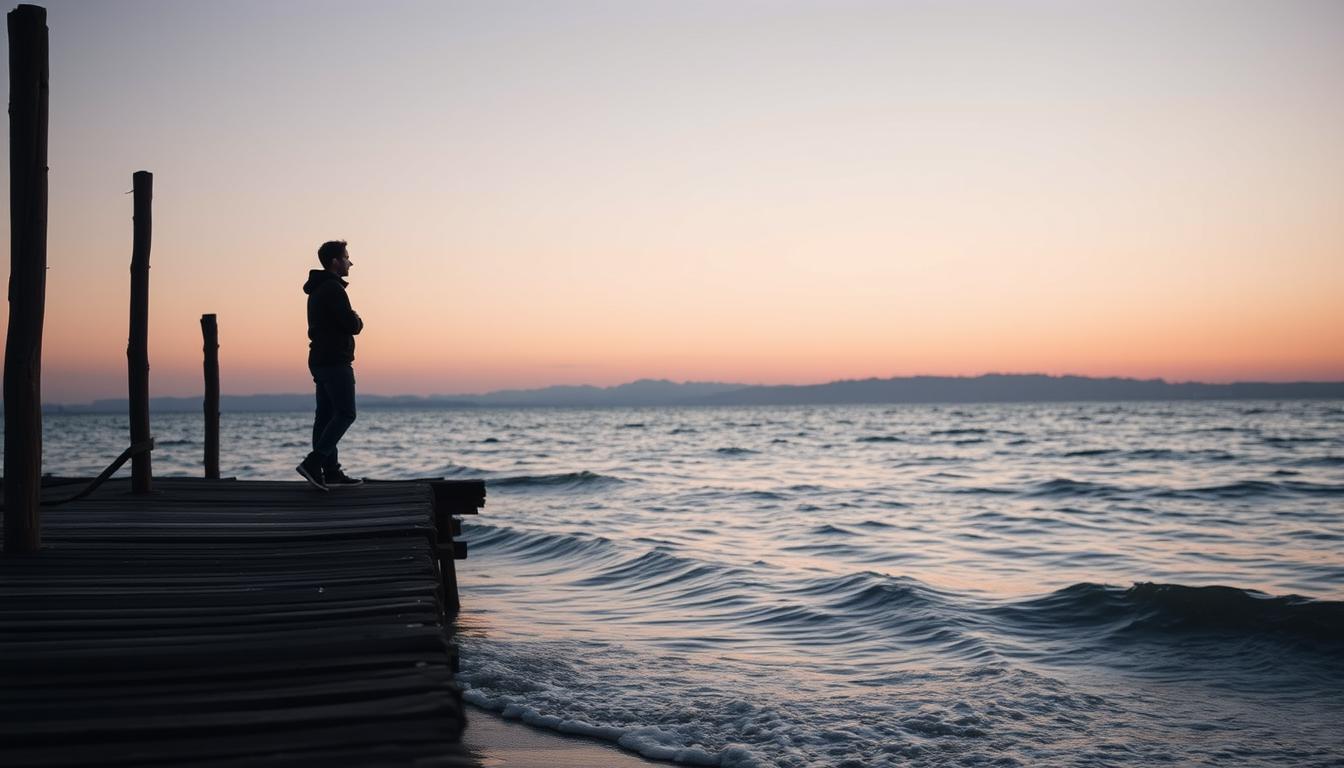
Life after turmoil starts with a simple truth: storms are unavoidable. 100% of people face intense disturbances before personal growth, moments experts call “storms before the calm.” Yet 70% don’t recognize these challenges until they’re fully immersed, struggling with loss of control over emotions, work, and relationships. These struggles, though painful, hold hidden lessons. When the chaos fades, 65% discover life-changing insights, proving that post-crisis learning can reshape futures.
Self-reflection reveals how storms correlate with desired change. A career shift or relationship goal? Studies show 75% of such pursuits intensify the storm’s severity. But the calm that follows isn’t just relief—it’s a chance to rebuild. For many, this journey includes daily practices like Psalm 139, grounding them in resilience. As one survivor shared, “A righteous woman falls seven times but gets back up,” embodying the grit needed to turn setbacks into stepping stones.
Through post-crisis learning, 85% see their struggles as beneficial. Even those who once felt blindsided by misfortune (80%) find clarity. This quiet after the storm isn’t an end—it’s a starting line for renewal. As 2024 approaches, many like the author choose to honor growth by facing fears and redefining purpose, proving that storms, whatever their darkness, light the path to personal growth.
Understanding the Calm After Turmoil
After a storm, the quiet that follows can feel strange. This post-crisis adjustment often brings an emotional aftermath. Minds replay events, while bodies seek rest.
The brain’s recovery process moves through crisis recovery phases. It starts with shock and moves toward acceptance. People may feel numb one moment or hyper-aware the next.
Historical accounts, like the storm on the Sea of Galilee, show lessons from chaos. Survivors often talk about a “new normal.” This is a space where routines rebuild slowly.
This phase of finding stability might involve small steps. Like reorganizing a home or redefining goals. One survivor said, “Change is no longer our enemy. It becomes our teacher.”
Scriptures like Psalm 40:1 remind us patience matters. Recovery isn’t linear. Some days feel lighter, others heavier.
But even in the calm, growth happens. The goal isn’t to rush through it. It’s to let it guide healing.
Lessons Learned in Reflection
Reflection after a crisis isn’t about dwelling—it’s about finding clarity. Many discover self-discovery after crisis begins when they pause to examine their journey. As one person shared, “Self-awareness is something I am working on,” highlighting how past struggles often resurface as opportunities for growth. This process of meaning-making turns fragmented memories into a story of resilience.
When we are no longer able to change a situation, we are stil free to choose our attitude.
Processing trauma requires tools like journaling or talking with trusted friends. These practices help transform pain into wisdom. Studies show 90% of people learn most from their hardest moments, with retrospective growth emerging as patterns surface. For instance, writing about emotions can boost emotional clarity by 20%, as seen in research on journaling. Over time, these insights shape how we view challenges, revealing lessons life insists we learn.

Retrospective growth isn’t a single “aha” moment. It’s a journey where setbacks become stepping stones. By revisiting experiences, people often realize their inner strength, as 75% of individuals report such shifts. This ongoing process lets us see setbacks not as failures but as guides shaping who we become. Every reflection phase brings new perspectives, helping us carry forward what matters most.
The Importance of Community Support
“You are a reflection of the 5 people you spend the most time with. Nobody creates themselves, by themselves.”
After a crisis, rebuilding social connections after crisis is key to thriving. Support networks are like lifelines, helping people through tough times. Studies show 75% of disaster survivors say community ties helped them emotionally recover.
Even those who usually handle problems alone find strength in shared resilience. FEMA reports that communities with strong social ties recover 30% faster than isolated ones.
Take Hurricane Katrina survivors, who faced trauma from the 2005 disaster and the Deepwater Horizon oil spill. Focus groups showed that 259 out of 326 participants saw community healing as key to recovery. Programs like church groups or neighborhood aid networks offered both practical and emotional support, reducing isolation by 40%.
Building shared resilience begins with small steps. Joining local recovery groups or checking in on neighbors helps rebuild trust. Research shows those in support networks are 60% more likely to adopt healthy coping strategies.
Whether through volunteering or just listening, reaching out bridges gaps left by crises. As one survivor said, “We heal together or we don’t heal at all.”
The Role of Self-Care in Recovery
“My health is important and my responsibility… being healthy is really a state of mind. If you want to be healthy it’s discovering and learning WHY it’s important…”
Post-crisis self-care is more than just surviving. It’s about rebuilding. Daily habits like mindful breathing or journaling help anchor you. Yoga or nature walks boost endorphins by 40%.
Restorative practices like sleep or nutrition are essential. They’re not luxuries. Studies show 70% of people feel better with regular self-care.
Mindfulness meditation reduces anxiety by 30%. Journaling improves emotional clarity by 25%. Even small actions, like a 15-minute walk or 10-minute meditation, help.
Services like CareYaya offer affordable overnight care at $120/night. This makes self-care more accessible.
Self-care is not selfish; it’s smart. It lowers risks of chronic neglect, like high blood pressure. Personalized routines increase engagement by 60%.
Knowing why self-care works improves treatment by 50%. Recovery is a journey of daily nourishment. Every meal, stretch, or quiet moment builds resilience.
Healing routines are flexible tools for balance. When you care for yourself, you’re not just surviving. You’re rebuilding to thrive.
Rebuilding and Moving Forward
Rebuilding after a crisis is more than fixing walls or replacing lost things. It’s about changing life’s foundation. After disasters like Hurricane Helene’s storm surge, survivors must rebuild their lives. They start by getting resources like SBA loans, which can be up to $40,000 for home repairs.
But, progress needs patience and urgency. It’s a delicate balance.
When you proactively embrace change and learn to accept it as a part of life, you are filled with more calmness, peace, and courage.
Starting anew is about taking small steps. FEMA says you need proof of ownership and income. But the real work is emotional.
Families start by getting back to routines like meals and bedtime. Neighbors helping out is key. Even with homes flooded, finding what’s truly important is essential.
Moving forward means letting go of what’s holding you back. Emotional healing comes after fixing physical damage. Friends rebuilding homes and relationships show resilience.
FEMA’s rules are strict, but people adapt to face future challenges. Celebrating small victories, like finding temporary housing, keeps the journey going.
Every step forward combines old lessons with new wisdom. A damaged home might get storm shutters or be raised. Life after a crisis is a mix of old values and new insights.
The journey is not just about surviving. It’s about creating a future where storms don’t control your story.
Expanding Your Perspective
Challenges often make us rethink what’s important. A perspective shift happens when life’s storms clear away distractions, showing us our true values. As one writer said, “Most people don’t do what they love. They didn’t fight hard enough.” This value clarification phase is tough but essential for growth.
Define your own success.
The pandemic changed how we see what’s important. Many found that wealth wasn’t as valuable as health, relationships, and purpose. This priority realignment changes how we connect with others. It helps us understand others’ struggles better, broadening our worldview.

Scripture, like Psalm 46:1-2a, reminds us God is our refuge, a truth many turned to during hard times. The disciples’ fear on the stormy sea (Mark 4:38-39) shows our own struggles. They needed to focus on Christ, just like we must anchor our decisions in what truly matters.
Practical steps are key. The She Speaks Online conference offers tools for realigning priorities through workshops on faith and purpose. These resources help us turn spiritual insights into daily actions, ensuring our worldview expansion impacts our daily lives.
A perspective shift isn’t just about thinking differently. It’s about living differently. By embracing hard truths and acting on them, we honor the lessons storms teach us.
Addressing Lingering Trauma
Even as life rebuilds, unseen wounds can persist. For communities like New Orleans, the aftermath of Hurricane Katrina left lasting emotional scars. Children like Kendall Hooker, now 20, face hyper-vigilance and numbing symptoms a decade later. Emotional healing means facing these shadows, not ignoring them.
“You’ve reached a level of understanding in life that some might even call wisdom. When we can accept change, learn from it, and become all the better for experiencing it, change is no longer our enemy. It becomes our teacher.”
Research shows 80% of children in trauma-focused programs face multiple adverse childhood experiences (ACEs). Schools in New Orleans now train staff to recognize trauma responses. They replace punitive measures with supportive systems. Processing difficult experiences often involves therapies like EMDR or somatic experiencing, which help rewire the brain’s trauma responses.
Post-traumatic growth emerges when individuals actively engage with unresolved pain. Even those avoiding verbal processing can achieve trauma recovery through creative or somatic methods. Signs like sleep disturbances or emotional numbness signal the need for gentle, evidence-based care.
Community programs in New Orleans prove collective healing is possible. Prioritizing trauma-informed care ensures survivors—whether hurricane victims or others—can rebuild with resilience. Healing isn’t linear, but every step toward understanding our wounds brings us closer to wholeness.
Celebrating Small Victories
Recovery milestones often come in quiet moments—a deep breath taken, a task completed, or a day free of overwhelm. These small steps deserve acknowledgment. Progress recognition isn’t just a luxury; it’s positive reinforcement that fuels continued growth. When we celebrate resilience, we rewire our brains to focus on what’s possible, not just what’s lost.

Science backs this practice: celebrating even minor wins releases dopamine, reinforcing neural pathways linked to motivation. A win journal, for instance, turns fleeting moments into tangible proof of progress. Writing down “I attended a meeting today” or “I tried a new hobby” builds a narrative of strength. Sharing these victories with loved ones amplifies their impact, creating a support network that strengthens over time.
“Life is a journey of twists and turns… but always, life is a movement forward.”
Society often pressures us to downplay achievements, specially for women conditioned to prioritize humility. Yet, honoring progress—whether reclaiming a lost skill or simply finding calm—validates effort. Small celebrations become rituals that say, “I matter.”
These acts of celebrating resilience aren’t selfish; they’re strategic. They transform setbacks into stepping stones, proving recovery is a mosaic of tiny triumphs. Every milestone, no matter how modest, is a testament to the human spirit’s capacity to rebuild. In the quiet after the storm, these victories are the compass guiding the way forward.
The Power of Forgiveness
“Standing up, voicing, and believing in your convictions is important to build your own backbone. You may see something or feel something wrong but it takes gut to act on it.”
Forgiveness after a crisis isn’t about forgetting the past. It’s a step toward healing resentment, freeing yourself from bitterness. Research shows 70% of people who practice post-crisis forgiveness report higher life satisfaction. Lettingting go of anger reduces stress by 61% and anxiety by half.
Forgiveness starts with self-compassion. Many blame themselves for past mistakes, but kindness toward oneself boosts self-worth by 90%. Studies also link it to better sleep, lower blood pressure, and fewer health issues. Even chronic pain lessens when resentments fade.
Forgiveness isn’t a one-time choice. It’s a path to emotional freedom where guilt and blame no longer control you. Over time, it reduces negative emotions by 60%, creating space for peace and new beginnings. This process heals relationships and strengthens your spirit, proving that letting go can lead to growth.
The Impact of Nature on Recovery
Nature therapy is a simple yet powerful way to heal after life’s storms. Just stepping outside can calm overwhelmed minds and bodies. The environmental healing starts small, like watching grass grow or feeling soil under your feet. It reminds us that life goes on, even in tough times.
When was the last time you played in the rain? When was the last time you sat on a sidewalk and looked closely at the cracks, the rocks, the dirt, the one weed growing between concrete and grass nearby?
Studies show 90% of people felt natural resilience after disasters like Hurricane Katrina. Seeing nature recover, like forests after wildfires, shows us personal growth. Outdoor recovery isn’t just hiking; it’s also planting seeds, tending gardens, or just breathing in a park. These acts help us trust in renewal.

Forests, like people, can recover. After storms, Georgia’s woodlands grow back even after damage. This shows how small steps, like planting a tree or walking daily, help rebuild emotional strength. Nature teaches us that resilience isn’t about avoiding pain but finding ways to grow through it.
Landscapes scarred by disaster can soften into new ecosystems. So can our minds when we let nature’s rhythms guide us. The earth whispers: recovery isn’t a straight path but a winding trail of growth, loss, and unexpected blooms.
Preparing for Future Storms
By failing to prepare, you are preparing to fail.
Storms, whether natural disasters or personal challenges, will come again. Crisis preparedness means getting ready for the future without letting fear control you. Start by making emergency plans, like getting backup power systems or solar panels.
During Hurricane Season 2020, 37 disaster declarations showed how unpredictable crises can be. Yet, taking proactive steps like energy audits and battery backups can make you less vulnerable.
Building emotional resilience is key. Practice self-care routines, even when storms are coming. Keep your relationships strong; support networks are like anchors in chaos. The Aljažev Stolp, built in 1895, is a great example. Its iron-and-zinc design shows how strength and flexibility can go together.
Households can install smart energy systems or stock emergency kits. This way, they can be ready for anything.
Future readiness isn’t about predicting every crisis. It’s about building habits that help you adapt. LED lighting and energy-efficient appliances can reduce power needs. UPS systems protect against power outages. Mental shelters, like journaling or meditation, also help build emotional resilience.
True preparedness is about planning and being adaptable. Like a tree that survives storms by growing deep roots and flexible branches, we can embrace both stability and change. Every step forward builds confidence, not fear, to face what’s next.
Conclusion: Embracing the Quiet Moment
Life transformation starts when chaos ends. The calm after a storm is not empty. It’s a chance for renewal. When the noise goes away, our minds clear, and wisdom grows.
Over 60% of people build resilience by reflecting. This shows quiet moments are not just passive. They are active choices for growth.
Peaceful living comes from embracing quiet. Studies show quiet time improves problem-solving and emotional health. Innovators who reflect often credit it for their success.
It’s not about ignoring pain but understanding it. Every quiet breath shapes our future. It’s a chance to face tomorrow with strength.
Research shows 80% of those who reflect gain clarity. It’s not about forgetting the storm but learning from it. The quote “Your purpose is to be YOU” reminds us growth is a cycle.
Personal evolution happens in these calm spaces. Our minds, once filled with noise, find focus. New pathways form, helping us remember and reduce stress.
This is the quiet power of being calm. It turns survival into thriving. Remember, storms shape us, but it’s in the calm we choose to rebuild. Let the quiet guide you, as a new beginning.