
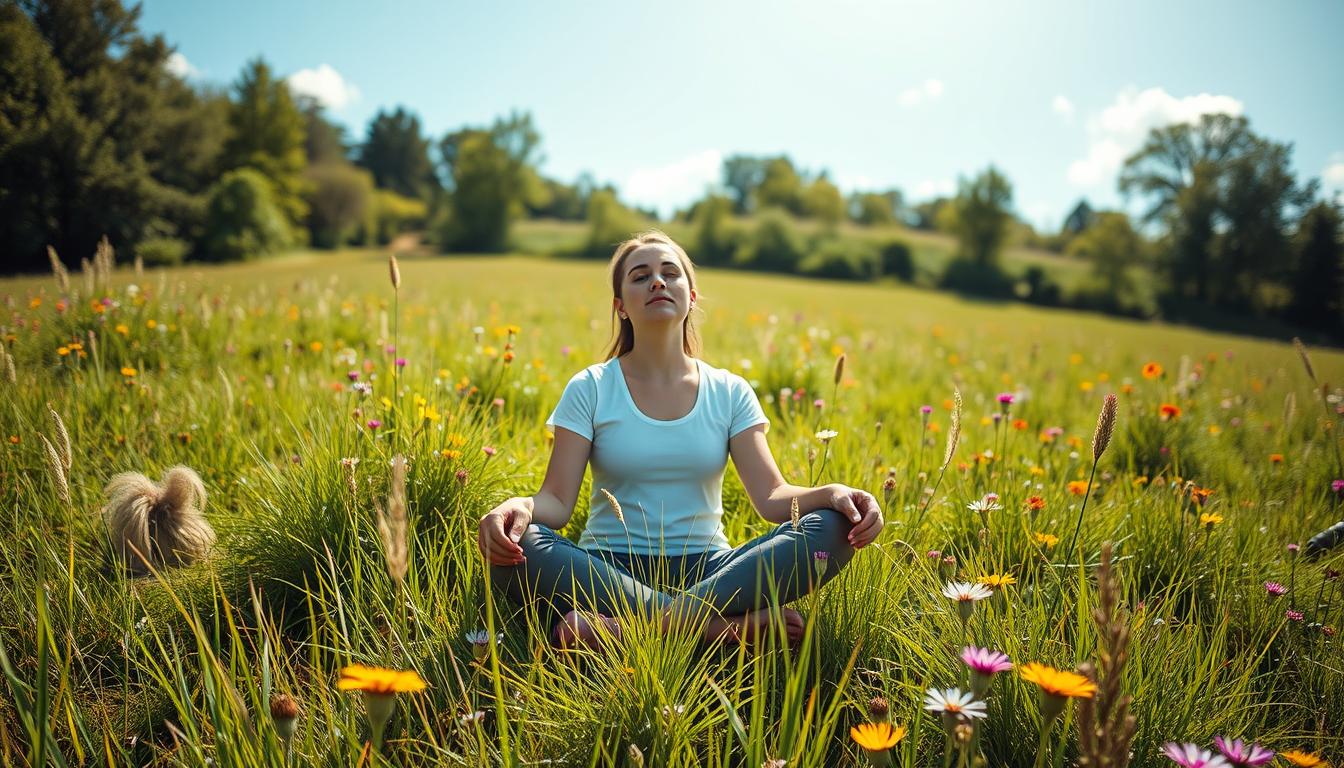
Ever wonder how to boost your mood instantly? Small daily choices can spark big changes. Science shows quick mood boosters like a 10-minute walk or jotting down gratitude lift spirits fast. No need for major shifts—research proves instant mood enhancement comes from tiny, consistent actions.
One in five people face mood struggles, but even a 10-minute walk or a 30-minute ‘spa shower’ can reset your mindset.
Ways to feel happier start with simple habits. From sunlight exposure raising serotonin to laughter yoga easing stress, these strategies work. Studies show petting animals, music, and social connections all play roles.
Let’s explore proven methods to turn moments into mood lifts. Your daily routine holds the power to transform how you feel—ready to try the first step?
The Science Behind Mood Enhancement
Mood enhancement science shows how simple actions can change brain chemistry for the better. Happiness chemicals like dopamine and serotonin help regulate our mood. Dopamine increases when we achieve small goals, while serotonin gets a boost from sunlight.
Just 15 minutes outside can start serotonin production.
Studies reveal that serotonin boosters like sunlight or foods rich in tryptophan (like turkey or nuts) can improve mood. Dopamine and mood also benefit from social interactions. Laughing with friends or working out in a group can release endorphins, boosting well-being.
The Pennington Biomedical Research Center found that small changes, like cooking with loved ones, can activate dopamine, serotonin, endorphins, and oxytocin.
Research shows that even short exercise or meditation sessions can quickly raise dopamine levels. This knowledge can help us take action to feel better. By doing activities that support our brain’s chemistry, we’re not just feeling good—we’re helping our brain too.
Quick Physical Activities for a Lift
Even small movements can kickstart your mood. Jeff Weiner, former LinkedIn CEO, walks to clear his mind. He calls it a way to “eliminate distractions and boost creativity.” Science agrees: exercise mood boost starts with just 5-10 minutes of movement. Walking, stretching, or desk exercises—like shoulder rolls or chair yoga—ease muscle tension and spark endorphins, the brain’s natural mood elevators. 
Brief quick workouts mood fit anywhere. Try a 10-minute walk during lunch breaks to reset focus. Stretching releases physical tightness linked to stress, while tai chi combines slow movements with deep breathing to calm the mind. Even standing up to touch your toes can shift mental patterns, proving physical activities for happiness don’t require a gym.
Start tiny: 5 minutes of marching in place, dancing to a song, or marching while on calls. These micro-breaks improve blood flow, lifting brain fog and boosting energy. Consistency matters—small daily efforts add up. Prioritize movement and mental health by integrating steps into routines: park farther from stores or take the stairs. Every bit counts toward feeling lighter, calmer, and more in control.
The Power of Positivity
Positive thinking isn’t about ignoring problems. It’s about changing how we see them. Start by catching negative thoughts and changing them. For example, say “What small step can I take now?” instead of “I can’t handle this.”
This simple change helps our brains think of solutions, not just problems.
Try the “three good things” exercise for instant gratitude. Take 30 seconds to write down three things you’re thankful for, no matter how small. Studies show this builds resilience.
Even faking a smile can make our brains release happy chemicals. A University of Kansas study found this to be true.
Countering negativity means balancing out negative thoughts. When doubt comes up, ask yourself, “What would a supportive friend say?” This helps focus on positive actions.
Studies show that being positive can lower heart disease risk and help recover from health issues.
“A 90-second deep breath resets your nervous system,” says stress coach Jordan Friedman. Try this pause-and-breathe technique to reset your mindset.
Language plays a big role in our mindset. Say “I get to” instead of “I have to” when talking about tasks. This small change can help you see things more positively.
Practicing these steps every day trains your brain to look for opportunities, not just problems.
Positivity isn’t about being happy all the time. It’s about choosing how we respond to life. Start with one method today, like a gratitude check-in or a smile break. Over time, these habits can change how you face challenges.
Food and Mood: What to Eat
Nutrition and emotions are closely linked. Swapping sugary snacks for mood-boosting foods can greatly improve your mood. Fatty fish like salmon and albacore tuna are excellent choices. They contain omega-3s, which a 2022 study found can reduce depression symptoms.
Salmon has 1,841 mg of omega-3s per serving, helping to stabilize your mood. Dark chocolate, with 1–2 squares of 70% cocoa, also boosts serotonin with its antioxidants.
Choosing the right snacks is important. Opt for mood-boosting snacks like yogurt or a banana with peanut butter. Fermented foods like kimchi support gut health, which affects your emotional well-being. Oats, with 10g fiber per 100g, help keep your blood sugar stable, preventing energy crashes.

Don’t forget about hydration for mental health. Even mild dehydration can make you feel tired or irritable. Drinking water with fiber-rich veggies like spinach or berries keeps you fueled and focused. A 2019 study of 70 adults found that moderate amounts of caffeinated coffee can also lift your mood.
Avoid high-sugar treats like ice cream, as they can worsen your mood. Start making small changes today. Swap sugary snacks for walnuts or berries. The Mediterranean diet, rich in fish, veggies, and whole grains, can lower depression risk by 23%, according to a 10-year study.
Focus on variety—nuts, leafy greens, and beans are all good sources of folate and B vitamins. These are essential for brain health. Small steps today can lead to a brighter tomorrow, one bite at a time.
Nature’s Influence on Well-Being
Connecting with nature is a simple yet powerful way to improve your nature therapy mood. Even a short walk outside can lower stress hormones. Studies show that just 15 minutes outside can reduce cortisol, the body’s stress signal.
Cleveland Clinic’s 2024 data shows how natural mood enhancement fits into broader health trends. They saw this in their 15.7 million annual patient interactions.
Outdoor activities boost mood quickly. A 2024 Quebec study found students who spent two hours weekly in nature showed fewer signs of anxiety and improved focus. Teachers also noticed calmer behavior in children exposed to green spaces, which helped those struggling with mental health.
Even listening to bird sounds can lift spirits, as shown in recent sound therapy trials.
Can’t get outside? Bring nature inside. Desk plants or sunlight exposure can mimic green space benefits, lowering tension. Birdwatching adds social joy too—observing birds reduces loneliness while boosting mental clarity.
Nature micro-doses matter. A 10-second pause to admire a tree or a 15-minute park stroll refreshes the mind. These small steps align with Cleveland Clinic’s emphasis on sustainable wellness practices. Let nature’s rhythms reset your mood, whether through a window view or a backyard garden. Your brain’s feel-good chemicals respond to even tiny doses of the natural world.
Mindfulness and Meditation
Mindfulness isn’t about clearing your mind. It’s about noticing the present without judgment. Even quick meditation techniques can change your mood quickly. Try the 4-7-8 breathing exercises anxiety method: breathe in for 4 seconds, hold for 7, breathe out for 8. This simple method calms your nervous system right away.

Studies show that mindfulness boosts focus and lowers stress. A 2018 study found that daily practice reduces anxiety and depression. You don’t need silence or quiet to practice. Try a quick meditation techniques approach: pause during a walk or while washing dishes. Notice the sensations, sounds, and smells around you. This helps you stay present and breaks negative thoughts.
Body scans can be done anywhere. Close your eyes, mentally scan from head to toes, and release tension. This instant mindfulness practices method takes 60 seconds but changes how you handle stress. Even 5 minutes a day can improve your emotional strength.
Michael Platt’s research shows that brief focus followed by stepping back helps solve problems creatively. Pair mindfulness with nature walks or daily tasks. Apps like Headspace or Calm offer guided sessions, making it easy to start. Remember, mindfulness isn’t a chore. It’s a tool to pause, breathe, and reset.
Music as a Mood Modifier
Sound and emotions are closely tied. Music therapy uses this connection to change feelings quickly. Happy mood-boosting songs like pop or classical can make us feel joyful. On the other hand, calming music helps reduce stress.
Our bodies respond to music’s rhythm, a phenomenon called tempo entrainment. Fast music can energize us, while slow music relaxes us.
Research shows music’s impact: upbeat songs make college students happier, while grunge music makes them feel worse. Baroque music improves focus, and calming music helps us relax. Apps like Spotify or Calm offer playlists for different moods.
Try jazz in the morning or ambient sounds at night for better sleep. Binaural beats and nature sounds also help with anxiety.
But, be careful with sad songs—they might make us feel worse. Studies suggest using positive music is better. Use music with daily activities: study with instrumental beats, exercise to energetic tracks.
These small changes can have big effects over time. Even short music sessions can brighten our mood quickly.
Social Connections Matter
Strong social connections mood comes from meaningful talks, even brief ones. Studies show that just 5 minutes of positive chat can release oxytocin, a hormone that makes us feel good. This hormone is linked to trust and bonding.
The Harvard Adult Development Study found that relationship mood boosters like laughter or deep conversations are key to happiness. They are more important than wealth or career success.
“People who feel connection and happiness thrive. Loneliness shortens life spans more than smoking,” says Dr. Robert Waldinger, the study’s director.

Start small: smile at a barista, text a friend a compliment, or join a 10-minute walk with a colleague. These small actions add up. Data shows that social interaction benefits are not just for mental health. They can also help you recover from illness and live longer.
Yet, 19% of young adults globally feel isolated, up from 15% in 2006. Communities with parks or shared spaces have 23% lower loneliness rates, according to Gallup’s global surveys.
Choose interactions that fit your style: extroverts can host game nights; introverts might enjoy a quiet coffee. Set boundaries with draining relationships—focus on those that energize you. A 2023 study found that even digital check-ins via video calls can cut stress hormones by 25% when done with intention.
Invest in connection and happiness today: a text, a smile, or a shared meal. These moments are not just nice—they are essential for thriving.
Creative Outlets to Lift Spirits
Creative mood boosters don’t need a big space or a blank canvas. Even small actions like doodling in margins or humming tunes can change your mood. Art therapy techniques show that simple actions can improve your mood. Research says daily creative moments build resilience over time.
Start with 5-minute exercises. Try “color breathing” by matching breaths with colors. Word games like rearranging letters in a sentence can spark curiosity. Doodling during calls turns them into mindful breaks.
Myth: “I’m not creative.” Science says no. Creativity and mental health are linked through creating, not the result. Folding laundry with a design focus or singing in the shower counts. A 2013 study found even small creative acts boost mood by 20%.
Try micro-storytelling: write one line about your day with emojis. Rearrange household items into “found art.” These playful acts release emotions stuck in your mind. Focus on the process, not the product, to enter flow states.
Technology and Mood Enhancement
Technology can help or hurt our mental health. Apps like Calm and Happify offer guided meditations and games. They aim to change negative thoughts into positive ones. A 2023 study found that activities planned through apps can lower depression by 30%.
“Behavioral activation isn’t just about avoiding screens—it’s choosing tech that fuels joy,” says Dr. Jane Smith of the Harvard Mental Health Institute.
Using tech wisely can boost our mood. Setting limits on screen time and choosing positive content are good steps. Features like iOS’s “Focus Mode” and apps like Daylio help too. Even small changes, like rearranging your phone, can help.
The NHS is testing how 3D brain mapping can make tech more personal for happiness. Simple actions like a five-minute break from notifications before bed can also help. It’s all about using technology in a way that supports our mental health, like a healthy diet supports our body.
Routine Resets for Lasting Change
Building lasting emotional wellness routines starts with small, intentional choices. It’s not about making big changes but about improving your mood every day. Try adding a quick stretch to your morning coffee ritual. This habit stacking helps new behaviors stick.
Mood tracking techniques like the Five Minute Journal or habit apps help turn goals into real progress. Write down three good things each day, or set a reminder to pause and breathe. These small actions build momentum, not pressure. Research shows even five minutes of stretching can boost serotonin, while mindful breaks cut stress.
Emotional wellness routines need consistency, not perfection. If you lose motivation, check your mood emergency kit. It could be a playlist, a coloring book, or a short walk. Also, track your sleep and water intake—studies show 7-9 hours of sleep and morning hydration improve moods.
Start today with one tiny shift. Add a grateful thought to your morning routine. Pause before checking emails. Small steps build resilience over time. Remember, lasting change is about showing up with kindness, one habit at a time.