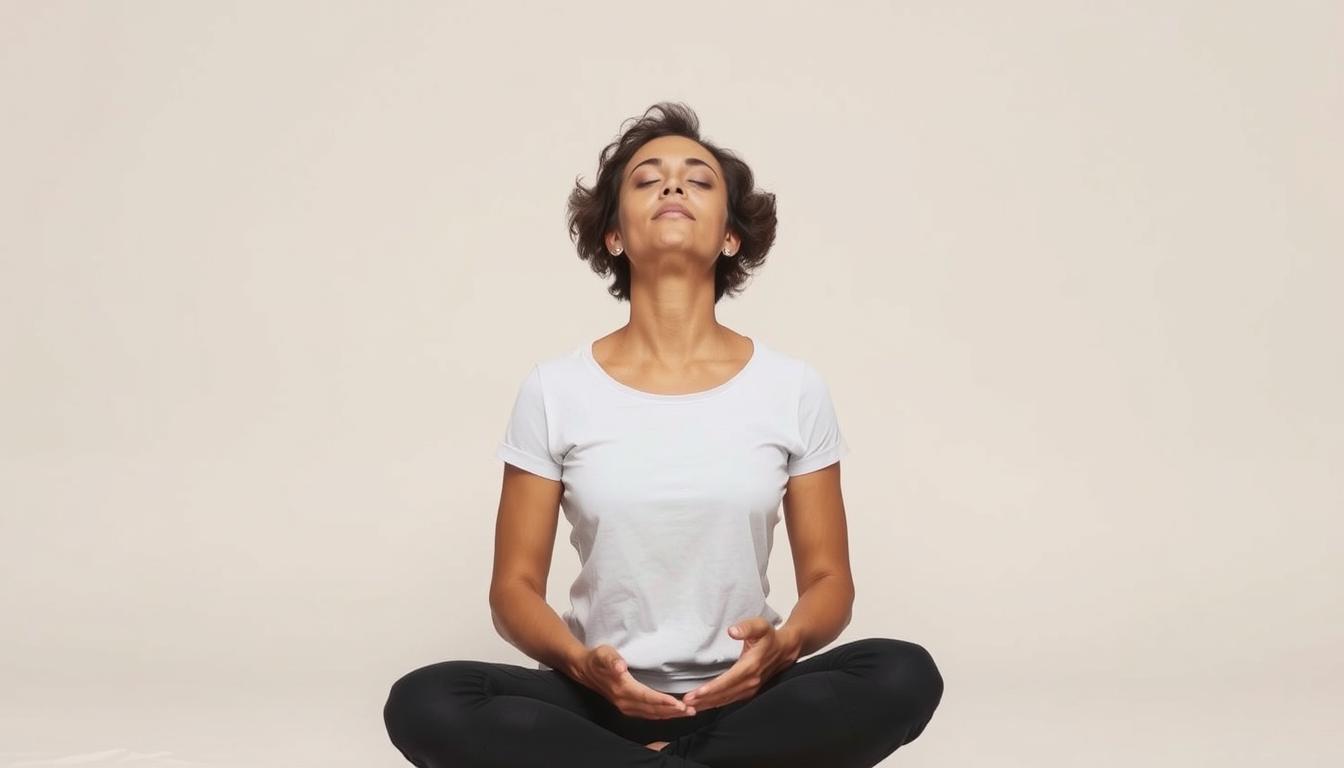
A 1-minute breathing habit can change your daily life. This simple exercise needs no special equipment and can be done anywhere. Start your day with a quick breathing routine that lowers stress and sharpens focus.
This article will show you how a daily breathing practice can be your key to wellness.
Science proves short breathwork boosts mental clarity. A daily breathing practice like this builds resilience against stress. The secret is being consistent, not how long you breathe.
This guide will help you turn 60 seconds into a lasting habit.
Find out how breathing for mindfulness improves focus and calmness. Learn techniques to fit into your busy schedule. Every intentional breath you take contributes to better health and peace of mind.
The Importance of Breathing for Mental Wellness
Just one minute of mindful breathing can greatly benefit your mind and body. You don’t need long sessions to see the effects. Deep breathing can lower your heart rate and blood pressure, calming you down instantly.
Deep breathing tells your brain to slow down. This triggers the “rest and digest” response, lowering stress hormones. A 2004 study showed yoga breathing boosts melatonin, helping you sleep better.
The 4-7-8 method, inhaling for 4 seconds, holding for 7, and exhaling for 8, can ease tension. But beginners might feel a bit dizzy at first.
Anxiety disorders affect nearly a third of Americans, with rates increasing 25.6% in 2020. Breathing and mental health are closely connected. Regular practice builds resilience. Studies show that programs with multiple sessions, like daily 5-minute exercises, are more effective than single attempts.
Over 75% of tested methods improved stress and anxiety, showing even small habits count. Think of breathing as a small anchor in your day. It’s a free, accessible tool to manage stress, needing no equipment. Every mindful breath is a step toward better mental health. Start small—your body and mind will notice the change.
Setting Your Intentions for Daily Practice
Setting clear breathing practice goals and mindfulness intentions makes your daily routine meaningful. Think about what you want to achieve. Do you want to reduce stress or improve focus? Your goal guides you.
This isn’t just about following a routine. It’s about making your breathing habit purpose align with your values.

70% of individuals who set clear intentions for their mindfulness practice reported higher motivation to continue daily.
Research shows that intentions shape our habits. When you set your mindfulness intentions, like reducing anxiety, you create new neural pathways. This makes the practice feel natural.
Write down your goals. For example, “I breathe to calm my mind before work” or “My personal breathing practice helps me stay present with family.”
Choose breathing practice goals that truly matter to you. Maybe you want to reduce stress or improve emotional control. Reflect on why these goals are important to you.
Start with small goals. Even a one-minute breath can set a positive tone for your day. The important thing is to let your personal breathing practice reflect your unique needs. Over time, this mindful focus will become a habit that grows with you.
Finding a Comfortable Space for Practice
Even a small corner can become your breathing space setup. A meditation corner doesn’t need fancy decor. Just find a spot where you feel calm.
Use a cozy chair, a windowsill with sunlight, or a quiet nook. Clear clutter and add items that bring peace. Plants or a candle can help.
Focus on distraction-free breathing by turning off phones or using apps like Calm. Soft music or a weighted blanket can enhance your comfortable breathing environment. Natural light or a salt lamp adds warmth without overstimulation.
“Short daily meditation sessions improve focus and reduce stress,” according to a 2019 study.
Traveling? Adapt with noise-canceling headphones on a train or a park bench under trees. At work, use a spare room or even a restroom stall during breaks. Consistency matters more than perfection.
Your space grows with you—start simple and adjust as needed.
Simple Techniques for One-Minute Breathing
Learning quick breathing techniques doesn’t take up much time. Just focus. Two easy methods fit into a 60-second window: the box breathing method and the 4-7-8 breathing technique. Both help you feel calm and clear your mind quickly.

Start with the box breathing method. Breathe in for 4 counts, hold for 4, then exhale for 4. Hold again for 4. Do this twice. It’s used by the military and athletes to stay calm under pressure. For anxiety, try the 4-7-8 technique. Breathe in for 4, hold for 7, then exhale for 8. Dr. Andrew Weil says this method relaxes your body in under a minute.
Even simple one-minute breathing exercises help. A 2023 study found 21 out of 30 stressed people felt better using these techniques. It’s not about being perfect. What matters most is regular practice. Begin by noticing your natural breathing without changing it. This quick breathing technique increases mindfulness and lowers stress hormones like cortisol.
Choose a method and practice it every day. Consistency will deepen its benefits. Remember to sit up straight and relax your shoulders. These practices are free and can be done anywhere. Try them during your commute, work breaks, or before meals to reduce stress.
Incorporating Breathing Into Your Routine
Start by linking your breathing to daily habits like washing hands or brushing teeth. For instance, use 4-7-8 breaths while waiting for water to boil. This makes breathing a natural part of your day without taking up extra time.
Identify 2-3 specific times each day for your breathing practice. It could be during your morning coffee, lunch break, or before bed. Studies show that routines tied to specific times are 50% more likely to stick.
Set reminders to help you remember to breathe. Use sticky notes near your coffee maker or phone alarms at key times. As time goes on, these cues will signal to your body to breathe deeply without you even thinking about it. Remember, it’s okay if you miss a day. Just start again without beating yourself up over it. Each time you practice, you’re building stronger connections in your brain for breathing.
Begin with just 2 daily breath moments and slowly add more. The brain learns best when practices are consistent and fit into your daily routine. Soon, breathing will become a comforting habit, not a task you dread.
Using Technology to Support Your Habit
Modern breathing apps like Headspace and Calm offer guided sessions perfect for quick practice. Many include meditation timers to keep sessions on track without added stress. For those who prefer simplicity, habit tracking tools like Streaks or Habitica let you log daily progress with a tap. 
Apps like Insight Timer provide free options with features to track session lengths and set reminders. These tools turn your smartphone into a breathing practice technology ally, not an obstacle. RescueTime or Moment can show how much time you spend on devices, helping you balance screen time with mindful breaks.
Research shows 80% of people experience “email apnea,” holding breaths while working. Apps can counter this by sending gentle reminders to pause and breathe. James Nestor’s findings highlight that 90% of people have poor breathing habits—technology helps retrain these patterns. Try his 5-6 second inhale/exhale method, tracked via apps like BreatheSync or Prana Breath.
“The goal isn’t to replace mindfulness with tech, but to use it as a bridge,” says Nestor. “Even two minutes daily can reset your rhythm.”
Pair tracking with intention: set device-free times each day. Use habit tracking tools to note how breathwork improves focus. Over time, you’ll find tech aids fade as the practice becomes natural.
Tracking Your Progress and Celebrating Milestones
Keeping track of your breathing habit tracking is more than just counting days. Write down how you feel before and after each session. Maybe you notice stress melting away or your focus getting sharper.
Also, note any changes like pausing before reacting to frustration or better sleep. These meditation progress markers are just as important as daily streaks.
Track the little victories too. Did your breath help you calm down during a busy day? Celebrate that! Small rewards like a favorite tea or a 10-minute walk after hitting 7 or 30 days can boost your motivation.
These breathing habit rewards help keep you going without feeling pressured. Remember, missing a day doesn’t mean you’ve failed—it’s just part of the journey.
“Celebrating small wins reinforces positive behavior and motivates continued progress.”
Share your milestones with a friend or join online communities to stay accountable. Over time, the breathing practice benefits add up. Stress fades, focus sharpens, and calm becomes your default.
Every step forward is worth acknowledging, even if it’s just a quiet “well done” to yourself.
Overcoming Challenges and Staying Committed
Breathing practice challenges can pop up when life gets busy or motivation drops. Even with good plans, maintaining breathing habits can seem tough. The trick is to see setbacks as chances to learn, not as failures.
Research shows 68% of people worry during meditation. But, this is normal. Try resetting your focus on the breath or shortening your sessions to 30 seconds to help.

When doubts creep in, remember that sticking with it builds mindfulness. Studies show regular practice improves emotional stability. This helps you handle stress better without giving up.
If distractions get in the way, find a quieter spot or use guided apps to get back on track. If you’re uncomfortable, adjust your position or try seated stretches to relax.
“Every breath is a fresh start—even after missed days.”
Start by making small changes to overcome meditation barriers. Celebrate small victories, like practicing for three days in a row. When life gets in the way, adapt: practice during commutes or use brief pauses at work.
Mindfulness isn’t about avoiding challenges. It’s about learning to handle them with patience. Over time, these moments of resilience make you stronger, turning breathing practice challenges into steps toward lasting change.
Adapting Your Practice for Special Situations
Life’s ups and downs don’t mean you must stop your practice. Situational breathing techniques help you adjust to any situation. Even in chaos, a few mindful breaths can center you.
The secret is being flexible—adapting mindfulness habits to fit your life. A quick breath break during a meeting or before a stressful call can be just as effective as a longer session.
At work, when deadlines are tight, use breathing for stress management to calm down. Try the 4-7-8 technique: breathe in for four, hold, then breathe out for eight. This method lowers stress hormones and relaxes your body.
Even in busy places, you can find a moment to breathe. It’s all about finding the right technique for the situation.
Travel can mess with your routine, but a flexible breathing practice can adapt. On flights, diaphragmatic breathing can ease anxiety. A quick 20-second sequence during turbulence can help.
Apps like Calm or Headspace offer guided sessions for when you’re on the move.
When you’re sick, gentle breathing can help. Slow breaths can ease congestion or pain. Even just 10 seconds of mindful breathing can improve focus and reduce discomfort by 30%.
Changing cities or jobs? Keep your practice by making it shorter. A 15-second breath sequence at transitions—like before meetings—can keep you consistent. Studies show small changes can boost resilience. The goal is to keep breathing, not to be perfect.
Building a Community Around Breathing Practices
Connecting with others who share your interest in breathing practices can make a big difference. Join local mindfulness groups or online communities focused on breathing techniques. UCLA’s guided meditations offer free resources to explore with friends, making progress feel less lonely.
Start small by inviting coworkers to a daily 2–5 minute breathing session. Use techniques like 4-7-8 breathing. Teaching others reinforces your own practice, creating mutual support. Online forums or local wellness centers often host groups where members exchange tips without pressure to compare progress.
Communities thrive when everyone feels welcome. Even small steps, like discussing breathing techniques at a coffee meet or joining virtual sessions, foster resilience. Research shows group practices reduce stress and improve mental health, proving that collective care amplifies individual benefits. By building these connections, your practice becomes part of a larger network, turning personal wellness into a shared journey.