
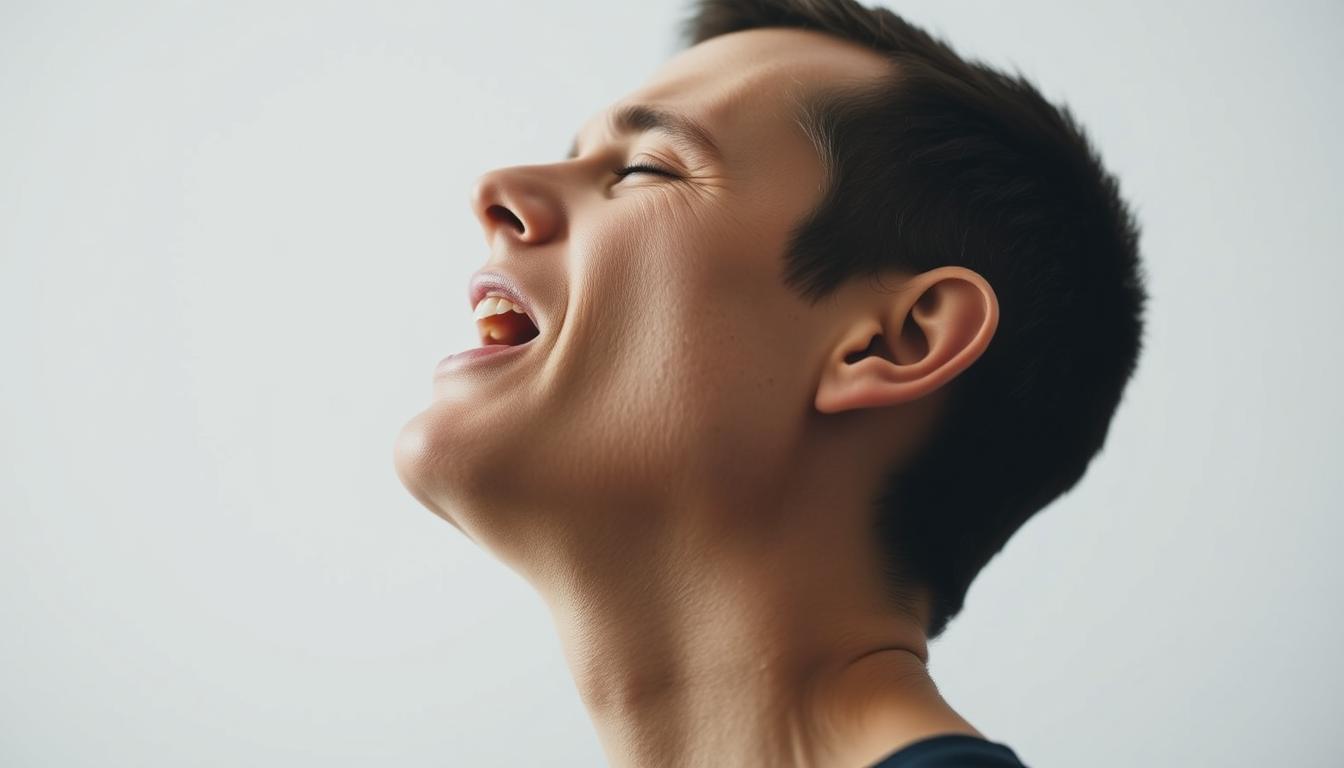
Take a moment to check your jaw. Are your teeth a bit together? That’s jaw clenching, a silent sign of stress. It tightens facial muscles every day.
Constant tension can cause TMJ pain. This makes simple tasks like chewing or talking hard. Recognizing stress is the first step to relief.
Every 2 seconds, seven people die from stress. That’s 110 million a year, according to the CDC and NIOSH. Jaw clenching is more than a habit; it’s a warning sign of stress.
If ignored, it can strain facial muscles. This can make headaches and TMJ disorders worse. This guide offers 6 exercises to help you relax.
This article will show you how to ease jaw tension. Learn about mindful practices and simple movements to relax your muscles. Early signs of bruxism can be spotted at dental visits, but acting now can prevent long-term pain.
Let’s work together to release that clenched jaw. We can do it, one breath at a time.
Understanding Jaw Clenching: Causes and Effects
“Stress can creep up on you without you even realizing it. You can think you’re managing it fine and ‘it’s just a little stress’ but it builds up over time, and suddenly your body or mind says ‘enough!’ and this is when major physical or mental health issues can surface.”
Your jaw isn’t just a hinge—it’s a complex system involving the temporomandibular joint (TMJ) and muscles that react to stress. When stress triggers the stress response, your jaw muscles tighten. Over time, this can lead to bruxism, a condition where teeth grinding occurs unconsciously, often during sleep.
Teeth grinding affects 8–31% of people, with children being more vulnerable. Adults who smoke or drink heavily face double the risk. High caffeine intake boosts chances by 50%. Even common medications like SSRIs, such as Prozac or Zoloft, are linked to increased clenching. The force applied during episodes can reach 250 pounds, damaging teeth and joints.
Chronic clenching strains the TMJ, causing disorders like TMJ disorder. Symptoms include jaw pain, headaches, and worn teeth. Up to 70% of sufferers report jaw discomfort, and 50% experience headaches. Left untreated, this can lead to tooth loss, gum inflammation, and long-term sleep disruption.
While some cases resolve with age, others require interventions like mouth guards or therapy. Recognizing the stress response as a root cause is key to prevention. Small steps like reducing stimulants or managing anxiety can reduce strain on your jaw’s delicate mechanics.
Recognizing the Signs of Tension
Spotting jaw tension starts with noticing physical clues. Jaw pain, facial tension, headaches, or ear pain are early warnings. These symptoms might seem minor but can get worse if ignored.

Look out for habits like chewing gum all the time or biting nails. Over 8% of adults clench their teeth without realizing it, leading to tooth wear and facial soreness. Kids might say their ears hurt from grinding at night.
Over 10 million Americans experience TMJ disorders, often linked to jaw clenching, according to the National Institute of Dental and Craniofacial Research.
A simple self-check: Press the jaw joint. If it hurts, it might be strained. The tongue should rest on the palate with teeth slightly apart. Taking mindful pauses can help catch clenching moments.
If headaches or jaw pain last, get help. Early steps like mouth guards or jaw exercises can prevent serious damage. Being aware is the first step to stop clenching before it gets worse.
Immediate Relief Techniques
When tension hits, quick fixes can make a big difference. Try the 5-5-5 method: clench your jaw for 5 seconds, release, then open your mouth wide for another 5 seconds. End with 5 deep breaths while keeping your jaw relaxed. This simple sequence breaks the clenching cycle and eases muscle strain. Science shows regular jaw relaxation exercises can reduce symptoms by 40%, proving small steps add up.
“Little steps that you take to reduce stress can add up to big relief!”
Massage techniques work wonders too. Use your fingertips to gently press the masseter muscles (below your cheeks) in circular motions. Focus on the temporalis muscles near your temples for 1-2 minutes. These moves relax tight muscles and improve blood flow. Heat therapy like a warm towel applied to the jaw can loosen stiffness, while ice eases acute pain. Experiment to find what works best for your body.
Combine these methods for lasting results. Even 5 minutes of massage techniques daily can reduce discomfort. Remember, consistency matters—your jaw (and your overall health) will thank you!
Creating a Relaxing Environment
Your workspace setup can affect jaw tension. Make sure monitors are at eye level. Use chairs that keep your feet flat on the floor. This helps avoid hunched postures that strain your jaw.
Add soft lighting to ease eye strain. It helps you stay calm and focused.

Improving your sleep space can also help. Choose pillows that support your neck’s alignment. Memory foam pillows are great for keeping your head and neck in a neutral position.
Avoid sleeping on your stomach, as it strains your jaw. Studies show up to 50% of children grind their teeth at night. But adults can also benefit from making bedtime adjustments.
Research finds 6–50% of children experience nighttime teeth grinding as their teeth develop.
Sound therapy and calming scents can help ease tension. Play nature sounds or binaural beats softly. Lavender or chamomile essential oils can relax your jaw muscles.
Even small changes can make a big difference. Adjustments to lighting, posture, and sleep setups can lead to long-term relief.
Mindfulness and Stress Reduction
Mindfulness helps ease jaw tension by tackling stress at its source. Techniques like meditation and deep breathing can stop clenching before it happens. Try inhaling deeply into your belly, then exhaling slowly to calm your muscles.
The 4-7-8 technique is also helpful. Inhale for 4 seconds, hold for 7, and exhale for 8. It helps calm both your mind and jaw.
Guided meditation scripts can lead you to relaxation. Close your eyes and imagine warmth spreading from your collarbone to your cheeks. Visualize your jaw as light as a feather.
A study found:
“Mindfulness meditation reduces stress by 30-50%, easing bruxism triggers.”
Make mindfulness a part of your daily life. Check your jaw position while brushing teeth. At stoplights, drop your shoulders and release jaw tension.
The “Thankful Three” habit is also beneficial. It involves naming three daily joys to stay present and reduce stress. These small changes can help you fight clenching over time.
Adding regular dental check-ups to your routine is key. Even short, consistent mindfulness practice can improve your control over unconscious habits.
Involving Your Posture
Did you know your jaw tension could come from your neck and shoulder position? Forward head posture, often seen when using phones or computers, can pull your jaw out of place. This adds neck tension that affects your jaw. Think of your head as a heavy weight; leaning it forward strains muscles from your skull to your lower back.
This strain tightens your jaw muscles, making clenching or pain worse.

Simple posture correction steps can help. Try the “chin tuck”: gently draw your chin straight back while keeping your head level. Do this 10 times an hour to align your head over your shoulders. Shoulder rolls and wall angels—pressing your spine against a wall and rolling arms overhead—also ease upper back tension.
These moves don’t need to be perfect; small changes are key.
Studies show poor posture is linked to 30-50% of bruxism cases due to misaligned bites. Even quick posture checks every hour can cut jaw clenching by up to 40%. This can ease headaches and ear pain. Remember, neck tension is a sign to pause and adjust your alignment. Small changes in sitting or standing today can lead to less jaw tightness tomorrow.
Dietary Considerations
What you eat can affect jaw tension. Anti-inflammatory foods like salmon, spinach, and berries help reduce swelling in jaw joints. Try swapping sugary snacks for a handful of almonds or walnuts—they’re full of magnesium to relax muscles.
Swapping morning coffee for herbal tea can also help. It reduces caffeine intake, which can help you clench less.
Hard foods like pretzels or gum can strain jaw muscles. Choose soft foods like yogurt or cooked veggies to ease pressure. Chewing slowly and taking small bites can also help prevent overexertion.
Even small changes, like drinking one less soda a day, can make a big difference. It builds habits that support long-term relief.
Nutrients like magnesium in bananas or leafy greens help keep muscles loose. Adding olive oil or turmeric to meals can also add anti-inflammatory benefits. It’s not about avoiding all trigger foods—it’s about making mindful swaps that fit your lifestyle.
Physical Activities to Ease Tension
Facial yoga and stretching exercises are gentle ways to ease jaw strain. Try the lion’s breath pose: open your mouth wide, stick out your tongue, and exhale forcefully. Do this 5 times a day. For tight jaw muscles, move your jaw side to side with a ¼-inch object between your teeth. This improves flexibility.
These practices, along with chin tucks and resisted mouth openings, strengthen muscles. They also reduce strain.

Regular physical activity like walking or swimming lowers stress. This helps ease jaw clenching linked to anxiety. Even 15 minutes of movement boosts blood flow, helping muscles relax.
Research shows high-intensity exercise can reduce TMJ pain by addressing underlying stress. Add these to your routine to support tension release.
A 2020 study found anxiety directly correlates with masseter muscle tension. It shows how targeted exercises—like Goldfish exercises done 6x daily—can counteract this. Pair these with 10-second holds during chin tucks to ease TMJ strain.
Changing your behavior, like avoiding gum chewing and practicing proper tongue positioning, complements these practices. If tension persists, see a healthcare provider. Early intervention prevents chronic issues.
Small, intentional steps like 10 minutes of facial yoga daily can make a big difference. They won’t overwhelm your schedule.
Professional Help: When to Seek It
Persistent jaw pain, clicking sounds, or trouble opening your mouth are serious signs. If trying relaxation and improving your posture doesn’t work, it’s time to see a dentist. Getting help early can stop tooth damage or long-term jaw problems.
A TMJ specialist or a physical therapist can find the root of the problem. A dentist might give you a custom night guard for your teeth. Physiotherapy can also help relax jaw muscles. They might use scans or check your bite to find the issue.
Treatments can be splints or even Botox for severe cases. Prices vary, but many insurances help with the cost. It’s okay to ask about payment plans or get more referrals.
Delaying treatment can make things worse. Getting help early means you can manage symptoms better, not just as a last resort.
Building Long-term Habits for a Relaxed Jaw
Small, consistent efforts lead to long-term relief. Habit formation makes jaw relaxation automatic. Try attaching checks to daily routines—like pausing to drop your jaw gently each time you sip water or wash hands. These micro-moments build awareness without added effort.
Tracking patterns increases self-awareness. Write down moments of tension in a journal. Note when stress triggers like deadlines or fatigue spike clenching. Celebrate even minor wins, like fewer headaches or less jaw soreness, to stay motivated.
During high-pressure times, revisit earlier techniques. A quick 10-second stretch or warm compress can reset tension. Remember, 60-70% of bruxism cases stem from stress, so addressing triggers early stops cycles of clenching.
Small steps add up. Over time, these habits ease muscle strain and protect teeth from damage. Professional tools like custom mouthguards—used in 90% of bruxism cases—pair well with daily mindfulness. Consistency turns mindful checks into lifelong patterns.
Your jaw’s health links to overall well-being. By prioritizing these routines, you’re not just easing pain—you’re investing in lasting comfort. Small changes today create long-term relief, one breath, one stretch, one mindful moment at a time.